
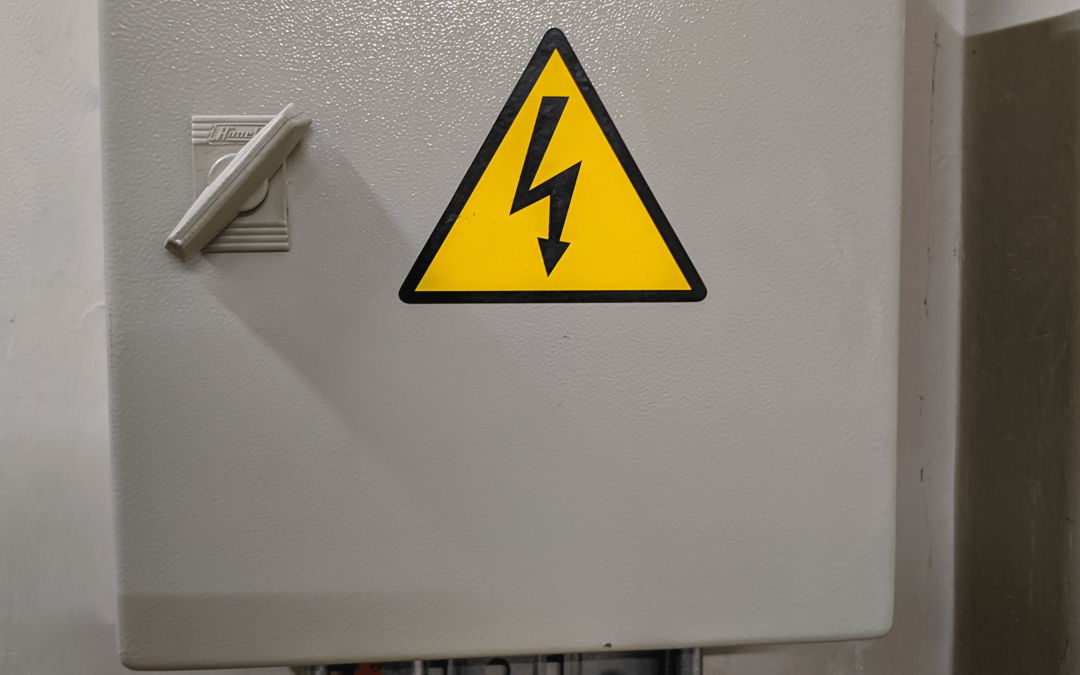
Electricity is important to everyday life. It provides power to homes, workplaces, schools, hospitals and industries making life easier and more efficient. But, despite the many advantages of electricity, it can also be very dangerous if not used correctly. Electrical hazards are one of the top causes of workplace injuries, property damage and even death and globally.
It is important to know what electrical hazards are and what dangers are associated with electricity and to create a safe environment. At home, on the construction site, or in an industrial environment, knowing what to watch for can help avoid accidents and save lives. This article discusses the nature of electrical hazards, electrical hazards and how to be safe around electrical systems.
What Are Electrical Hazards?
Electrical hazards are those situations that may result in injury, illness, death or property damage if contact is made with electricity. Such hazards may arise at any time when people come into contact with electrical energy as a result of faulty equipment, damaged wiring, inappropriate use of electrical devices or unsafe working practices.
Electrical hazards may not be apparent. Electricity is often invisible, odourless and silent making it very dangerous. Damaged or poorly-maintained electrical outlets, extension cords, or power tools can pose a great risk.
The degree of severity of an electrical hazard is determined by a number of factors including voltage of the electrical current, current through the body, duration of contact, environmental factors (moisture, temperature).
Common Types of Electrical Hazards
There are many forms of electrical hazards, some are more common than others. Knowing about these hazards is the first step in prevention.
Electric Shock
Electric shock is the term used for when a person comes into contact with an electrical current. The current flows through the body, which can result in burning, muscle contractions, damage to nerves, or cardiac arrest. Low voltage electricity can be hazardous in some situations.
Electrical Burns
Burns are one of the most common electrical injuries. They may happen if there is electrical current passing through the body or when a person comes in contact with equipment that is too hot. Electrical burns can cause serious internal damage that may not be apparent.
Arc Flash and Arc Blast
An arc flash is a flash of electrical energy that occurs in the air, creating intense heat and light. The temperature can be several thousand degrees Celsius, which can lead to serious burns and injuries. The pressure wave caused by the arc flash is known as an arc blast, it can throw workers across a room and cause hearing damage or other traumatic injuries.
Fire Hazards
Electrical fires can be caused by electrical wiring, overloaded circuits and damaged electrical equipment, which can create excessive heat. These fires can be fast and cause extensive damage to property as well as serious injuries.
The Main Dangers of Electricity
Electricity has the potential to harm the human body and its environment in several dangerous ways. Knowing these risks will enable people to make safer decisions to work with or around electrical systems.
The greatest risk of this is electrocution, or death caused by electrical shock. Electrocution can be immediate and happen without warning. Even in the case of standard household electric power, there is a potential risk of death under the right circumstances, and high voltage systems pose a special danger.
Electricity may also result in serious bodily harm. A person may not be able to release an energized object because of muscle contractions resulting from an electric shock, prolonging the exposure time. A worker may be startled by a shock and fall from ladders, platforms or elevated work areas.
Electrical incidents can cause damage to equipment, halt business operations, and cause expensive repairs in addition to personal injuries. Preventing electrical fires is vital for the safety of people and assets, as well as for financial reasons, since electrical fires can destroy buildings, machinery, and valuable assets.
Common Causes of Electrical Accidents
A large number of electrical incidents can be avoided and many times are caused by unsound practice or poor maintenance. The most common causes can be identified to minimise the risk of incidents occurring.
Damaged cords and wiring is a big cause of electrical accidents. Worn connectors, frayed insulation and bare wires can lead to shock and fire hazards. Another issue is overloaded circuits, particularly if several appliances are plugged into the same outlet or extension cord.
Failure to maintain electrical equipment can also add to risk. Aging electrical systems, defective appliances, and faulty tools can have hidden problems that can cause an accident. Another major cause is a lack of training, especially in workplaces where workers frequently come into contact with electrical equipment.
Dangers can be further heightened by environmental conditions. Water conducts electricity and can greatly increase the risk of electric shock if wet surfaces, damp areas, or rain are present. That’s why additional measures are needed at construction sites, outdoor work areas and industrial facilities.
Who Is Most at Risk?
Electrical hazards are a danger to all, but some people are at greater risk. Construction, manufacturing, utilities, and maintenance workers often have to deal with electrical systems and equipment as part of their jobs.
Electricians and electrical technicians are particularly exposed due to their direct interaction with energized systems. But, non-electrical workers may be at risk as well when working near power lines, electrical panels, or energized equipment.
Even homeowners and do-it-yourselfers can put themselves in a dangerous position when trying to do electrical work without knowledge and training. Children are also a vulnerable group as they may not be aware of the potential risks of electrical outlets, cords, and appliances.
Employers are responsible for training, providing protective equipment and safe procedures to minimize electrical risks in the workplace. Likewise, individuals should follow safety guidelines and avoid taking unnecessary risks when dealing with electricity.
Recent Comments