
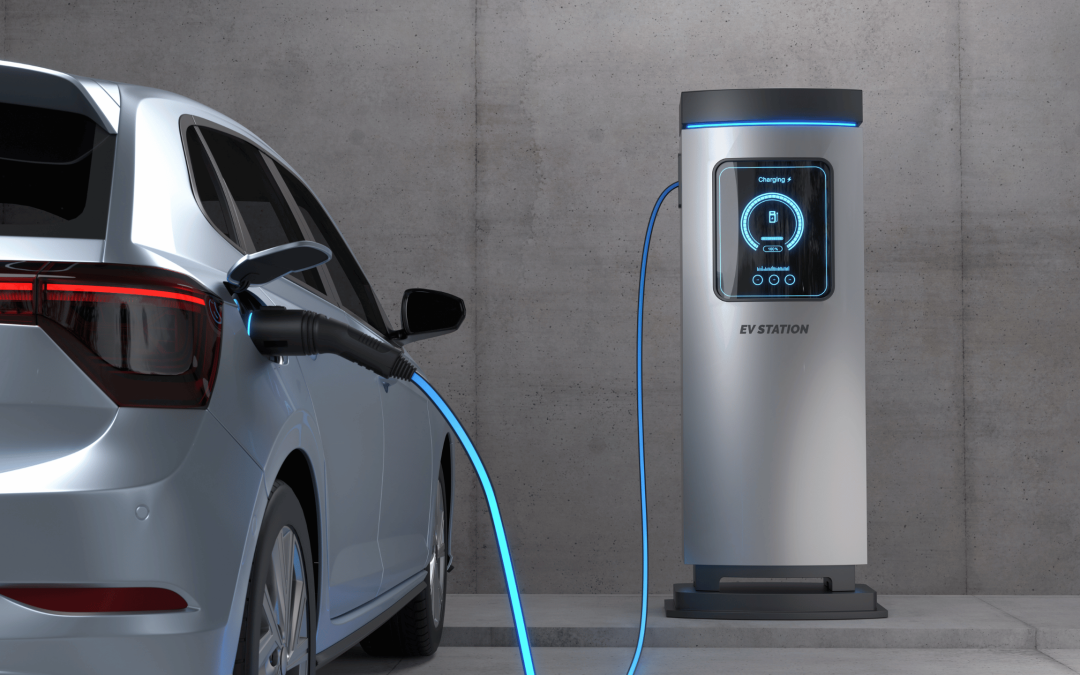
EV adoption is on the rise, and there is need for dependable charging stations. Industry, facility, property, and business owners are increasingly investing in EV charger installations to better serve their customers, employees, and to ensure a more sustainable future.
In 2026, EV charging is no longer considered a luxury amenity—it has become a valuable business asset. If you’re a commercial property owner, a retail building, office block, fleet centre or multi-unit residential, it’s crucial to understand the installation process in order to make informed decisions.
This complete guide teaches businesses and professionals all the things they need to know about the EV charger installation 2026.
Why EV Charger Installation Matters More Than Ever
The movement toward all-electric transportation is reshaping the lives and how they conduct their businesses. The growth of electric vehicles on the road every year as federal and provincial programs encourage EV use.
EV chargers provide a number of benefits for businesses. It brings in green-minded customers, boosts job satisfaction, raises the value of the property and serves as an indicator of sustainability. For many industries, charging stations for EVs are no longer a differentiator – they’re a necessity.
Businesses that invest early can become forward-thinking companies and get ready for upcoming transportation trends.
Understanding the Different Types of EV Chargers
It is essential to be familiar with the types of EV chargers.
Ensure a successful installation project, it is important to be familiar with the different types of chargers available.
Level 1 charging provides slow charging speeds and is powered by a standard home outlet. Most are used in the home and not often appropriate for commercial applications.
Businesses most commonly use level 2 chargers. They provide much quicker charging and are suitable for offices, retail sites, hotels, residential blocks and public car parks.
DC fast chargers are those that charge quickly and are typically found at highway and transportation corridors, fleet depots and high commercial traffic areas. They’re more expensive, but offer the quickest charging time of any option.
Selection of the charger should be based on the user’s needs, charging frequency, vehicle turnover, and cost considerations.
Key Factors to Consider Before Installation
The first step to a successful EV charging project is planning. There are a number of factors that businesses should consider before installing it.
One of the most crucial factors is electrical capacity. The existing infrastructure is to be evaluated to determine the need for upgrades for additional electrical loads.
The site location also is a critical factor. Chargers should be placed in safe, visible and convenient locations and places that encourage use while remaining safe and compliant.
Future growth should also be taken into account. If the number of charging stations increases, it will be easier and cheaper to implement infrastructure that can support them in the future.
Other considerations include parking space layout, connectivity, access of users, and routine maintenance issues.
The EV Charger Installation Process
The first step in the installation process is usually a thorough evaluation of the site done by certified experts. At this point, electrical systems, parking and infrastructure needs are assessed.
After the assessment phase, the project enters the design and planning phase. This includes selecting equipment, determining charger locations, and developing installation specifications.
The next step is to secure necessary permits and approvals to meet local rules and electrical codes.
Installation includes electrical installation, mounting, network configuration and system testing. Chargers are commissioned and tested after installation to ensure they are safe and efficient.
Professional installation is necessary to ensure compliance with safety standards and long-term performance.
Regulatory Requirements and Compliance in 2026
As EV adoption grows, so do the regulations govern charging stations. Compliance with the current electrical codes and accessibility and municipal codes are essential for businesses to ensure that their installations are viable.
Partnering with licensed electricians and seasoned EV charging professionals minimizes compliance hazards and promotes safe installation practices.
Public facing charging stations must be carefully considered for accessibility. Well-designed spacing and signage, as well as user access features, help to foster a positive charging experience and enhance inclusivity.
Remaining up-to-date with the updates in the rules can prevent companies from having to make expensive changes in the future.
Costs and Return on Investment
EV charger installation costs depend on a variety of factors, such as the type of charger being installed as well as site conditions, electrical upgrades, and complexity of the project.
Many commercial applications will be best served by the level 2 charging. Faster charging systems for DC charging are more expensive initially, but can offer more value in high usage settings.
Although setup prices may seem high, there are lots of advantages for your service that can be felt in the long term, such as the addition of customers, better tenant retention, higher staff satisfaction and better sustainability benefits.
Project value should be considered in terms of both direct and indirect returns. EV charging infrastructure can help achieve broader environmental, social and governance (ESG) goals and support business expansion in many instances.
Choosing the Right Installation Partner
Companies should seek out providers with a proven track of success, certified electricians and an understanding of commercial charging infrastructure. A qualified partner can help you design, install, assess and support your system.
It is also crucial to consider how well the provider understands new technologies, software compatibility, and their capacity to expand and grow in the future.
When selecting an installation team, it is crucial to opt for one that has experience in the field, which helps reduce the risks associated with the project and guarantees long-term reliability.
Future Trends Shaping EV Charging Infrastructure
EV charging is a fast-changing market and enterprises need to get ready for future developments.
The implementation of smart charging technology is gaining traction and can help organizations optimize energy usage and lower running expenses. Networked charging systems also offer great data and reporting functions.
In the near future, V2G, renewables and advanced energy management systems will become more prominent. These innovations will prove to be aiding businesses in maximizing the use of electricity and will also promote the sustainability goals
With the growing proliferation of EVs, charging will be an important part of commercial properties and businesses.
Recent Comments